
South Asian Heritage Month: Partition, Migration and Mental Health
- Jul 8
- 3 min read
Updated: Aug 11
By Sufia Rahman – Accredited Therapeutic Counsellor

Every year in the UK, South Asian Heritage Month is observed throughout July and August. It is a time to celebrate the rich cultures, histories, traditions and contributions of people with roots in South Asian countries including India, Pakistan, Bangladesh, Sri Lanka, Nepal, Bhutan, the Maldives and Afghanistan.
South Asian Heritage Month is also an opportunity to reflect on the historical events that have shaped South Asian communities across the world. One of the most significant events linked to this observance is the Partition and Independence of British India in 1947.
Understanding the History of Partition and Mass Migration - South Asian Mental Health and Partition
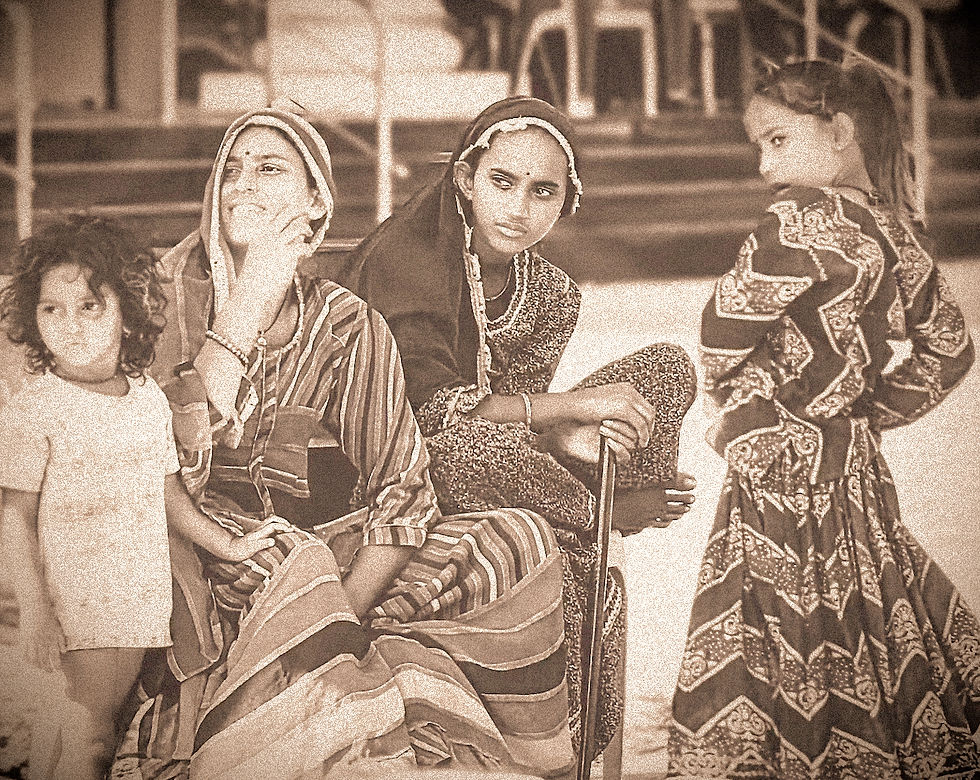
In August 1947, British India was divided into two independent nations: India and Pakistan. While independence brought hope and freedom for many, it also resulted in one of the largest mass migrations in human history. Millions of people were forced to leave their homes, communities and livelihoods as borders changed almost overnight. Families were separated, communities were divided, and many people experienced violence, uncertainty and loss.
For countless individuals and families, the trauma of Partition did not end when they reached safety. Many carried the emotional impact of displacement for years, and in some cases generations. Feelings of grief, loss, fear and uncertainty became part of many family stories. Some survivors rarely spoke about their experiences, while others shared memories of leaving everything behind and rebuilding their lives from nothing.
The Impact of Intergenerational Trauma in South Asian Communities
The effects of historical trauma can still be felt today. Experiences of displacement, loss and conflict can influence future generations through family relationships, cultural identity and attitudes towards mental health. Many South Asian families continue to navigate the emotional legacy of migration, sacrifice and survival.
Families who experienced Partition often faced enormous stress. Leaving a family home, saying goodbye to loved ones and starting again in an unfamiliar place created significant emotional and practical challenges. Parents and grandparents were often focused on survival and providing stability for their families, sometimes at the expense of their own wellbeing.
Following Partition, many South Asians migrated to countries such as the United Kingdom, Canada, Kenya, Australia and the United States. Some migrated for employment opportunities, education and economic stability, while others sought safety and a chance to build a better future for their children. These journeys required courage, resilience and determination.
The sacrifices made by immigrant parents and grandparents have helped create opportunities for future generations. However, many families also carry the pressures that can come with migration, including adapting to new cultures, balancing multiple identities and managing expectations around success, family responsibilities and community values.
Addressing South Asian Mental Health and Seeking Support

South Asian Heritage Month encourages us not only to celebrate achievements but also to acknowledge the challenges and hardships that many families have experienced. By recognising the impact of historical events such as Partition, we can develop a deeper understanding of South Asian mental health, resilience and intergenerational trauma within our communities.
For those seeking support, culturally informed therapy can provide a safe space to explore identity, family relationships, migration experiences and emotional wellbeing. As a South Asian therapist, I have an understanding of South Asian cultures, values and the unique challenges that can come with family expectations, identity, grief, stress and migration. I offer counselling in Hindi and Urdu, and you can use my contact page to book a free telephone consultation.
Counselling can help individuals navigate stress, anxiety, grief, cultural expectations and the impact of historical and family experiences. Seeking support is a positive step towards healing, self-understanding and emotional wellbeing.
As we mark South Asian Heritage Month, we honour the strength, resilience and contributions of South Asian communities while recognising the importance of mental health, healing and connection across generations.
If you are considering counselling, you are welcome to contact me to arrange a free consultation.
You can also visit my About Me page to learn more about my experience and qualifications, or explore the Frequently Asked Questions section for further information about the counselling process and what to expect from sessions.
Taking the first step towards support can feel daunting, but it can also be the beginning of meaningful growth and healing.


